

Immigration to Norway: How to Obtain Permanent Residence and Move in 2026
Moving to Norway begins with obtaining a temporary residence permit on a specific basis —...
 11.11.2026


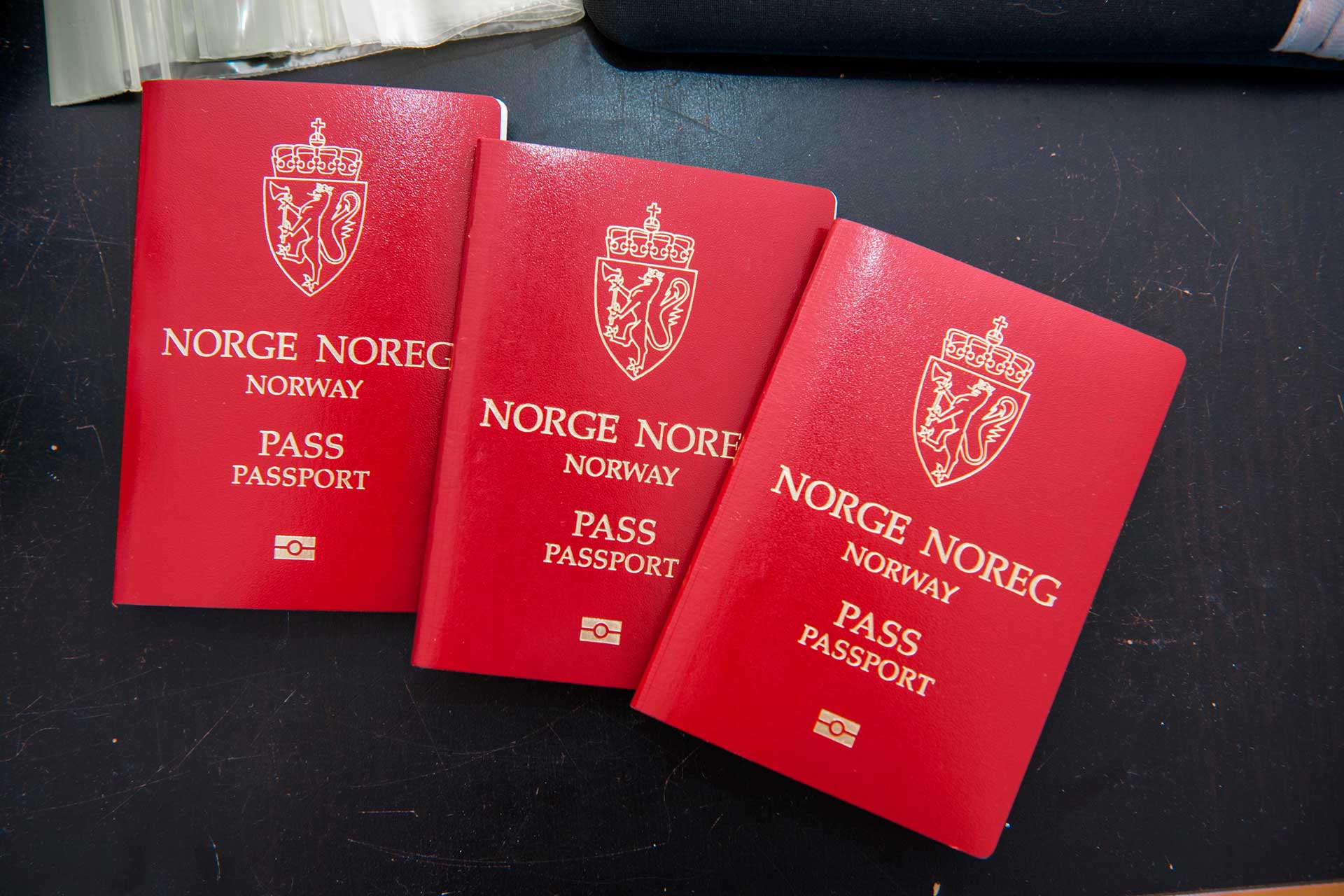
A foreign national who legally resides in Norway and meets the established requirements can obtain Norwegian citizenship. The main route to a passport is naturalization after residing in the country for at least 8 of the last 11 years. If you have a high income, the period is reduced to 6 of the last 10 years. A separate route applies to spouses and registered partners of Norwegian citizens, taking into account both cohabitation and the duration of the marriage.
Obtaining Norwegian citizenship is entirely realistic for those who permanently live in the country, hold the appropriate residence status, and meet the requirements relating to language proficiency and the citizenship test. At the same time, a Norwegian passport cannot simply be “bought through investment”. Ownership of real estate, a business, or substantial capital alone also does not create a right to obtain it.
If your goal is to legalize your status in Europe as quickly as possible, it is worth considering simplified programs for certain categories of foreign nationals available in other countries. Our specialists will assess your situation, select suitable immigration options, and explain the requirements, timelines, and possible restrictions.
The main legal act governing immigration matters in the country is the Norwegian Citizenship Act. It sets out the grounds for acquiring, retaining, and losing citizenship. The law has been in force since 2010 and is regularly updated. Citizenship applications are submitted through the official website of the Norwegian Directorate of Immigration (UDI).
When assessing the requirements for obtaining Norwegian citizenship, it is important to take recent legislative changes into account, as immigration rules are constantly being adjusted. Since June 2026, migration control has been strengthened and implementation of provisions of the new European migration and asylum system has begun. In addition, requirements for the screening and identification of third-country nationals have been tightened.
EU citizens do not face immigration restrictions in Norway and have the right to live and work here freely, just as in other countries of the union. If you want to obtain a European passport and benefit from its advantages, our specialists will help you select a suitable program. Book a consultation and learn about your chances of obtaining EU citizenship as quickly as possible through a simplified program.
Eligibility for Norwegian citizenship depends on the basis of the application and compliance with the requirements established by law. Adult foreign nationals may apply for a Norwegian passport if they meet the following requirements:
The list of required documents depends on the applicant category. However, in most cases the application file should include:
All documents issued in languages other than Norwegian or English must be translated and legalized.
Norway is not suitable for those who want to obtain a passport quickly. Local law requires long-term actual residence in the country and integration into society. Therefore, the standard route takes a considerable amount of time.
If your goal is to obtain a second citizenship within a short period, it is better to look for a more suitable option in another country. But for those who genuinely plan to live, work, and build a family here, the lengthy naturalization route can be justified.
There are only a few ways to obtain Norwegian citizenship. The main routes are connected with the circumstances of birth and the citizenship of the parents, as well as long-term lawful residence in the country.
Norway does not have a repatriation program that allows citizenship to be obtained on the basis of ancestral roots. Citizenship by descent is available to children if at least one parent held a Norwegian passport at the time of their birth. For all children born after September 1, 2006, this right is unconditional.
General naturalization is the main route to Norwegian citizenship for foreign nationals who do not have Norwegian parents or other special grounds. The main condition of the program is long-term residence in the country:
| Route | Cost (EUR) | Timeframe |
| By birth (one parent held a Norwegian passport at the time of birth) | free | from birth |
| Ordinary naturalization | 600 | after 8 years |
| Naturalization for high-income applicants | 600 | after 6 years |
| Naturalization for spouses of Norwegian citizens | 600 | after 5 of 10 years and a combined period of marriage and residence in the country of at least 7 years |
| For those born in Norway or who moved to the country before the age of 18 | 600 | after 5 years |
| For foreign nationals with protection status | 600 | after 7 years |
The cost of Norwegian citizenship consists of more than just the government fee. Additional expenses may arise for the language test, document preparation, translations, or legal assistance.
Being born in the country alone does not give a right to citizenship if both parents are foreign nationals. Citizenship also cannot be obtained solely through the purchase of real estate, investments, or the existence of Norwegian ancestors without a legal basis provided by law.
UDI may refuse to grant Norwegian citizenship if, at the time the case is considered, the applicant does not meet at least one mandatory requirement. A negative decision may be appealed to the Immigration Appeals Board (UNE).
A criminal conviction does not always result in refusal of citizenship. Depending on the severity of the penalty, in some cases a waiting period (disqualification period) may apply, during which the foreign national cannot submit an application.
Citizenship that has already been granted may be revoked if it turns out that it was obtained on the basis of incomplete or false information that was materially important to the decision. Revocation may also be appealed.
A Norwegian passport provides greater stability than a residence permit. The main benefits of citizenship include:
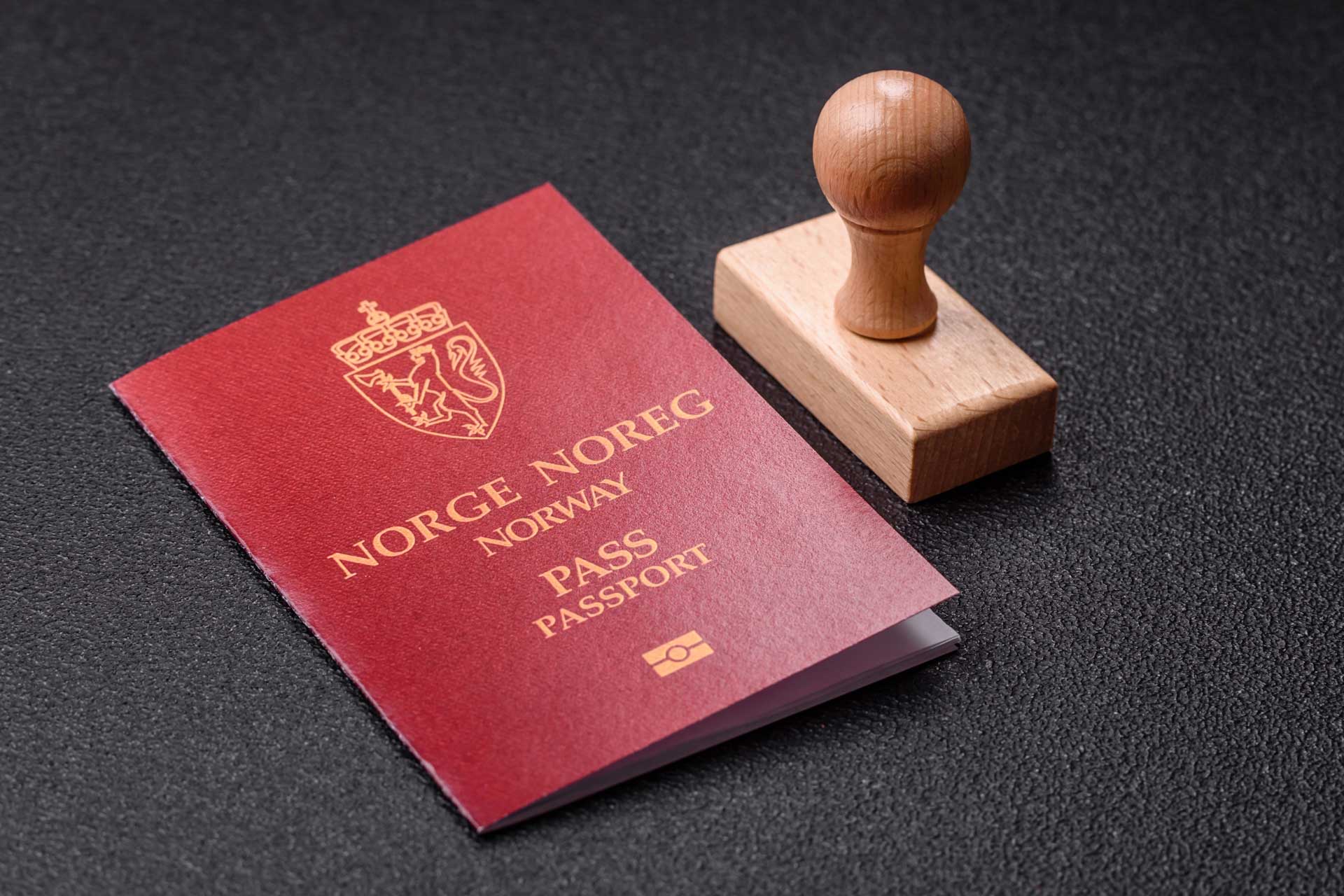
A Norwegian citizen’s passport is an important document for international travel. It allows visa-free travel to 173 countries.
At the same time, Norwegian citizenship also has disadvantages. These include the length of the naturalization process, as well as the need to comply with strict immigration rules, learn the language, and pass tests.
Since 2020, Norway has allowed multiple and dual citizenship. Therefore, those who obtain a Norwegian passport are not required to renounce their existing citizenship, provided that the law of their country of origin permits this.
Reviews from people who have obtained a Norwegian passport indicate that the process is lengthy and requires preparation. Certain difficulties are also connected with waiting for the result of the application. Some cases are processed automatically, but most documents are still reviewed by officials, which increases the time needed for a decision.
To save time and money, before submitting documents the applicant should check whether:
It is possible to obtain a second citizenship independently. However, legal assistance with obtaining Norwegian citizenship may be required where there is a complicated immigration history, several possible grounds for applying, long absences from the country, criminal convictions, problems with documents, or doubts about how the residence period should be calculated. An immigration specialist can significantly reduce the risks of refusal and unnecessary expenses.
A legal consultant helps select the appropriate basis, verify compliance with the requirements, prepare the documents correctly, and identify in advance any circumstances that may delay processing. Qualified support is especially useful when the applicant wants to retain an existing citizenship, is comparing several countries, or wants to avoid repeat applications and the associated costs in time and money.
If your goal is to obtain a European passport within a short period, contact our specialists. They will help you select a suitable country and obtain citizenship through a simplified program — in most cases, the process takes about a year. Book a consultation so that our lawyers can assess your situation and suggest the available options.
Under ordinary naturalization, no. The main route to a passport requires residence in the country for the prescribed period.
No. Giving birth in the country by itself does not give either the child or the parents a right to Norwegian citizenship.
There is no separate citizenship-by-investment program in Norway. Financial investments or entrepreneurship may serve as a basis for obtaining a residence permit, but they do not replace the requirements for subsequent naturalization.
You should review the UDI decision and the applicable appeal procedure. If the reason for refusal is related to the calculation of residence, documents, or residence status, you should decide whether to appeal or remedy the deficiencies and submit a new application.
Not directly. Employment may provide a basis for obtaining a residence permit, and subsequent residence in Norway is taken into account for naturalization.
No. Purchasing an apartment, house, or other real estate does not give a right to citizenship and, by itself, is not a basis for obtaining a residence permit.
No, citizenship cannot be obtained through repatriation. The mere existence of Norwegian ancestors does not create an automatic right to citizenship.

Ability to do business and work in the EU without restrictions
Study in European universities with the civil rights
Visa-free travel to more than 160 countries around the world
Full access to the freedoms and guarantees established for EU citizens