
Residence Permit in Norway: Complete Guide for 2026
A Norwegian residence permit is an authorization that allows a foreign national to legally reside...
 29.10.2026


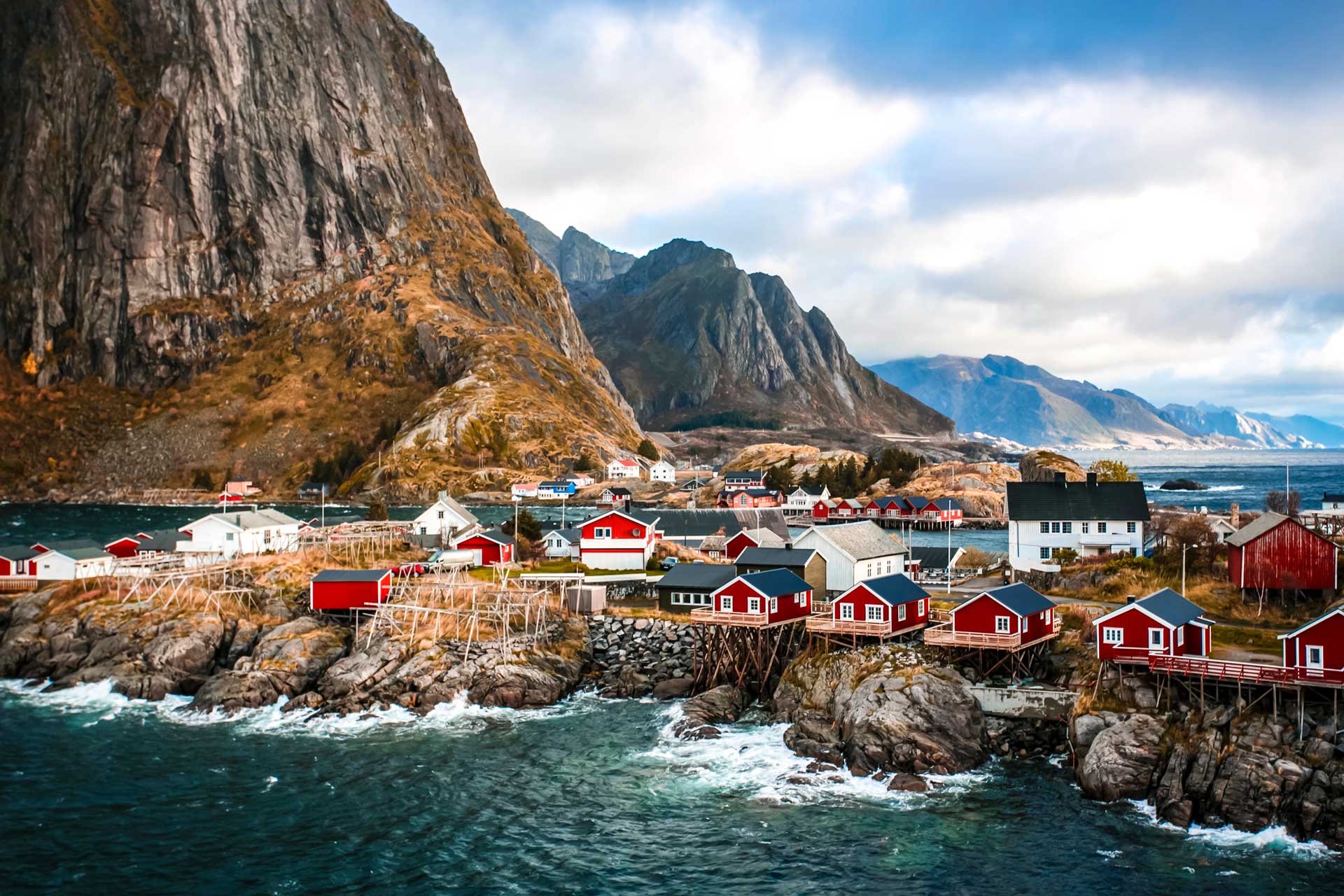
Moving to Norway begins with obtaining a temporary residence permit on a specific basis — the law provides for employment, entrepreneurial activity, family circumstances, and other reasons. After 3 years of residence with a residence permit, provided that the requirements regarding income level, language proficiency, and compliance with immigration rules are met, a foreign national becomes eligible to apply for permanent residence. Permanent residence provides the right to stay and work in Norway indefinitely — it is a more stable status than a temporary residence permit.
Unlike a temporary residence permit, which is issued for a specific period and is tied to a particular purpose of stay, permanent residence does not require regular renewal. However, the plastic card confirming the status must be renewed periodically.
The main ways to immigrate to Norway are employment as a skilled worker, family reunification, and certain forms of self-employment. A student residence permit by itself does not lead to permanent residence, because the period of study is not counted toward the required period of permanent presence in the country.
Emigration to Norway from outside the European Union is popular because of the country’s high standard of living, as well as its stable economy and developed social services system. Obtaining a residence permit followed by permanent residence allows a foreign national to establish themselves in the country for the long term and use the opportunities available to residents.
The main advantages of obtaining permanent residence in the Kingdom of Norway are:
Specialists with in-demand professions, entrepreneurs planning to conduct business in the country, and foreigners who have close relatives in the Kingdom most often decide to move to Norway for permanent residence.
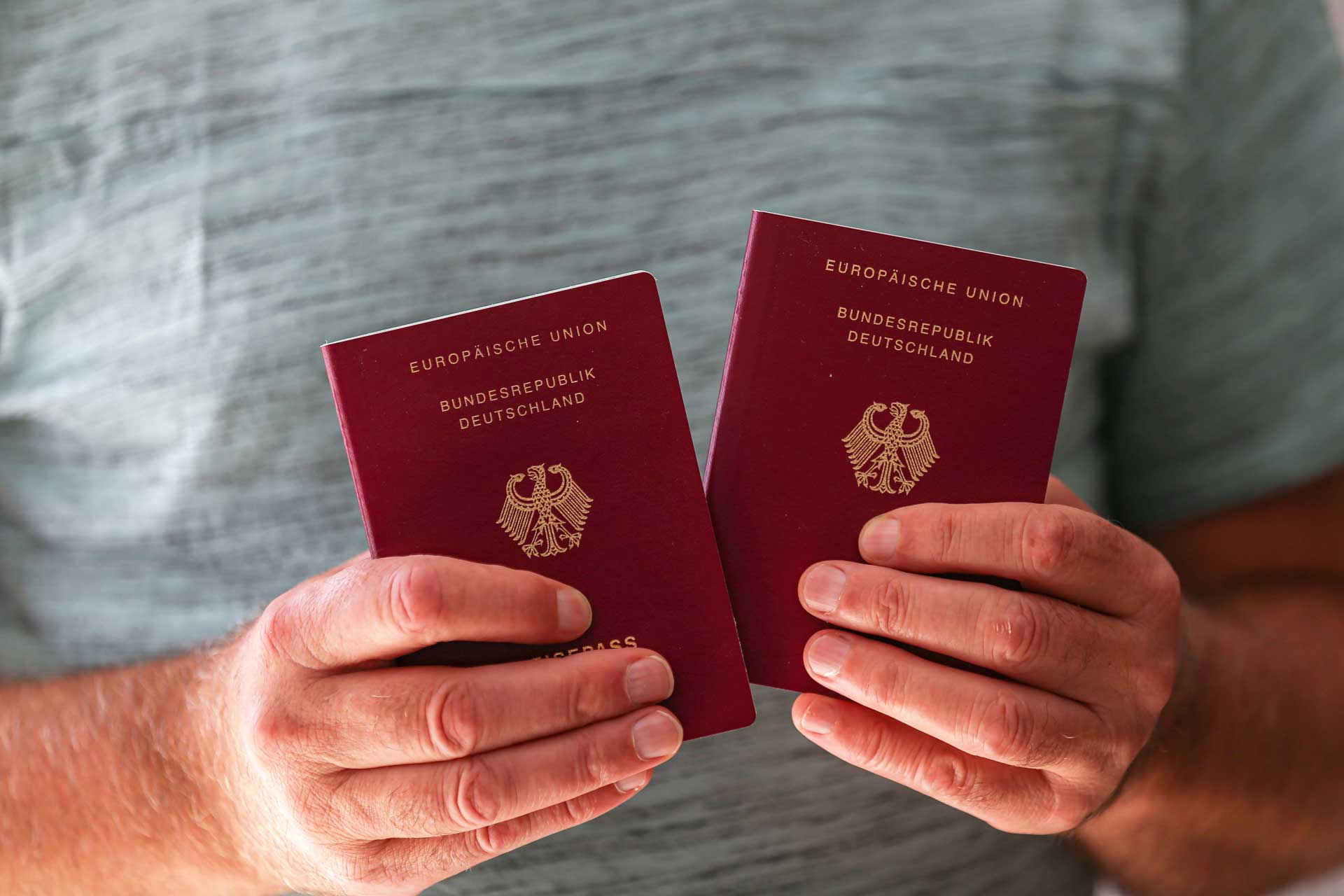
Moving to Norway is possible not only with a residence permit, but also with a passport of an EU country. European Union citizens do not need to obtain any permits to live and work in Norway, so obtaining European status can become an alternative to obtaining a residence permit followed by permanent residence. Our specialists will help you obtain an EU passport through a simplified procedure and support you at every stage.
The law provides for several options for moving to Norway. The choice depends on the purpose of residence, profession, family circumstances, financial means, and plans for obtaining permanent residence in the future.
Moving to Norway through employment begins with obtaining a skilled worker residence permit. To do this, you must have an offer from a Norwegian employer and meet the qualification requirements, while the position and employment conditions must comply with the established rules. Specialists in IT, engineering, construction, healthcare, energy, and other fields are especially in demand in the country.
To obtain a residence permit, the candidate’s salary must be standard for the relevant profession in Norway. If a collective agreement applies to a particular sector, the rate established under it is used. If there is no collective agreement, the benchmark is at least EUR 50,480 per year for professions requiring a bachelor’s degree and from EUR 57,815 for those requiring a master’s degree.
A residence permit for employment is issued for up to 3 years. If the immigrant continues to meet the program requirements, they may extend their stay in the country.
Moving to Norway through business is regulated by the country’s legislation. To obtain a residence permit as a self-employed person, a foreign national must have the appropriate professional qualifications and independently run their business. For this purpose, a sole proprietorship is established. There is no fixed amount that must be invested in starting the business. However, it must be proven that the sole proprietorship will be able to earn at least EUR 31,600 per year. A 22% tax will have to be paid on this amount. Depending on the type of activity, the entrepreneur may also be subject to other fees.
Study can be a way to move to Norway temporarily. To obtain a student residence permit, the applicant must be enrolled in a full-time course at an accredited Norwegian educational institution. They must have accommodation and sufficient funds to live in the country — from EUR 1,426 per month or EUR 15,687 for 1 year.
Students are allowed to work, but no more than 20 hours per week during the academic semester and full-time during holidays. However, students are not allowed to engage in business or work as self-employed persons.
Time spent in Norway on a student residence permit is not counted toward the period required for permanent residence. Therefore, if you plan to remain in the country after graduation, you need to switch to another basis.
Family immigration to Norway is suitable for those whose close relatives already legally reside in the country. These may include spouses, cohabitants or registered partners, minor children, and in some cases parents if they are over 60 and have no relatives in their country of residence. The sponsor must also have housing and an annual income of at least EUR 40,500.
Family immigration is available only if there is a close relative in the country, so this option applies to relatively few people. Business may be chosen by entrepreneurs with a real project and qualifications — this is a fairly demanding condition. Study can be an intermediate stage, but a student residence permit itself does not lead directly to permanent residence. Therefore, for most skilled applicants, the employment route is the most practical way to move to Norway.
Most foreign nationals can obtain permanent residence in Norway after 3 years of legal residence in the country. To do this, you need to take the following steps:
Obtaining permanent residence in Norway is a complex and lengthy process that requires several years of residence and compliance with a number of conditions. At the same time, some EU countries have simplified programs that make it possible to obtain citizenship in about a year — after that, you can move to Norway with a European passport. Our specialists will help determine your chances of participating in such a program — book a consultation to learn more.
To obtain permanent residence in Norway, you must have lived in the country for the period established by law and meet a number of conditions:
The list of documents for obtaining permanent residence in Norway depends on the basis of residence in the country and the applicant’s personal circumstances. The file may include:
All foreign documents must be translated into Norwegian and legalized.
The cost of moving to Norway includes government fees and other expenses.
| Expense | Average Cost (EUR) |
| Permanent residence application fee | 370 for an adult 185 for a child under 18 |
| State fee for the first work residence permit | 583 |
| Document translation (cost per 1 document) | from 65 |
| Apostille | 13 |
| Rent for a one-bedroom apartment (per month) | From 950 |
| Lawyer’s services | Depend on the complexity of the case |
Additional expenses should also be taken into account, including transport, banking services, and other costs. They may amount to approximately EUR 460–1,390.
After moving to Norway, foreign nationals must adapt to local rules, work, and prices. The cost of living in the country is quite high. The main expenses are housing, transport, and food. Prices vary depending on the city. For example, rent for a one-bedroom apartment in Kristiansund starts at EUR 617 per month, while in Oslo it starts at EUR 1,340. Average monthly living expenses for one person in the country are about EUR 1,250.
Wage levels in Norway remain high by European standards. The average salary in the country is EUR 5,745 before taxes. The standard tax rate is 22%.
Those who wish to engage in entrepreneurship in Norway must obtain the right to do so. Foreign nationals have access to different forms of doing business, but the specific requirements depend on their residence status and the chosen organizational form. An entrepreneur must pay taxes and other mandatory contributions on time and keep accounting records.
Norway has a highly developed education system. The country has public and private schools, universities, and vocational education institutions. Admission requirements and course fees depend on the level of education, citizenship, and the applicant’s residence status.
Residents of Norway have access to public healthcare services. After registration, a person becomes entitled to use medical services under the conditions established by law. At the same time, the patient may bear part of the costs until the established annual limit of EUR 303 is reached. Once this limit is reached, the relevant services do not require further payment until the end of the calendar year.
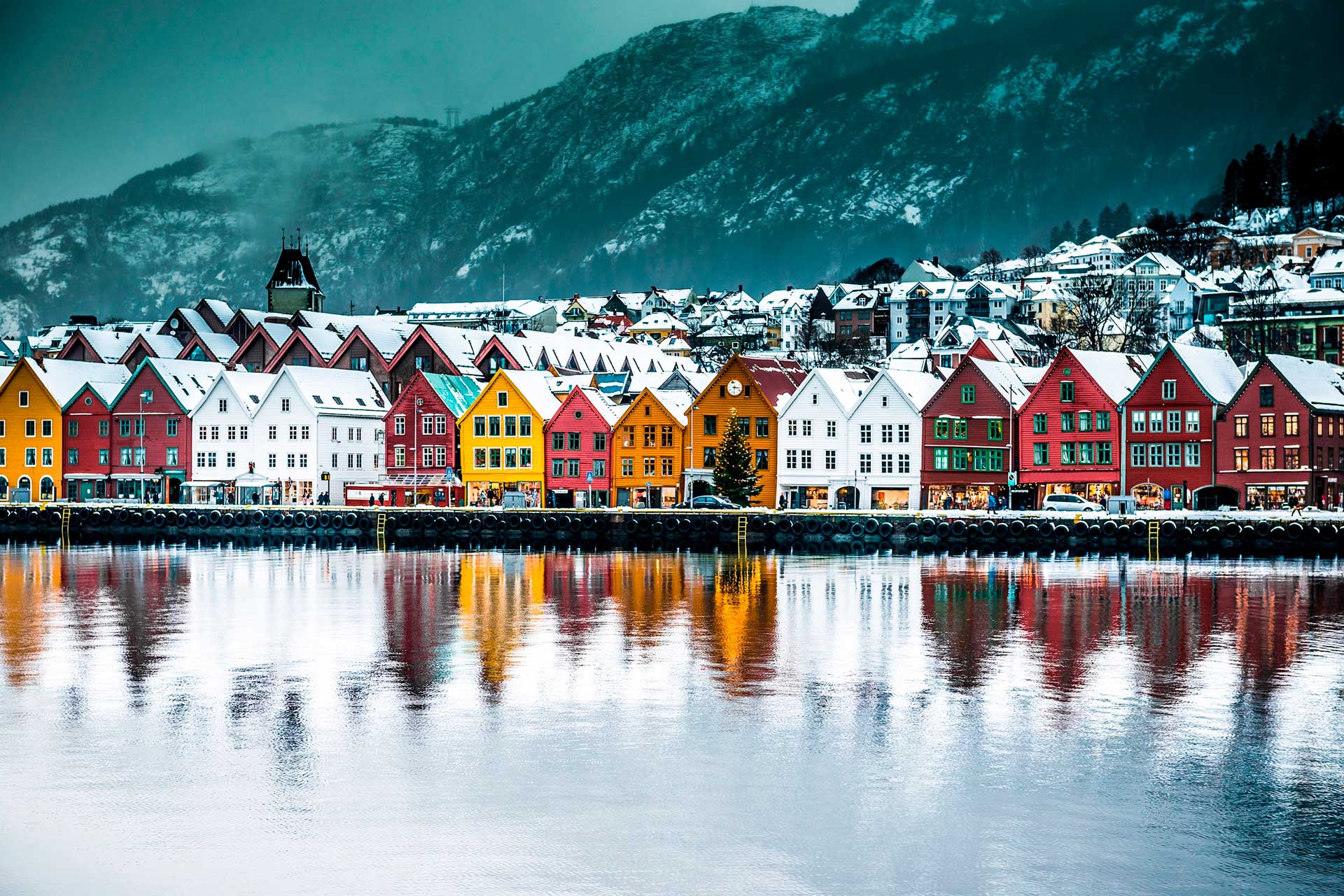
The choice of a Norwegian city for relocation depends on your profession, budget, and lifestyle. Popular options include:
Reviews from people who have moved to Norway usually reflect both advantages and disadvantages. Among the benefits, people most often mention high incomes, a calm environment, nature, and social security. Among the difficulties are the high cost of housing and substantial everyday expenses, the need to know Norwegian, and an excessively slow adaptation process.
Many people view the process of obtaining permanent residence as requiring careful preparation. It is necessary to monitor the residence period and income, pass a language test, and meet other conditions. UDI also warns that application processing may take a long time (around 24–25 months depending on the basis for the residence permit).
Having permanent residence does not mean an automatic right to Norwegian citizenship. For naturalization, separate requirements must be met regarding the period of residence (at least 8 years or 6 years for applicants with a high income), language (level B1 or higher), knowledge of Norwegian society, and compliance with the law. Foreign nationals who received education in the Kingdom and those entitled to an exemption for health reasons are exempt from the exams. There must also be no circumstances preventing the acquisition of citizenship. A criminal conviction or imposed penalty may increase the waiting period.
Norway permits dual and multiple citizenship. Therefore, when obtaining a Norwegian passport, you do not have to renounce your existing citizenship if this is permitted by the law of your country.
Permanent residence may be refused for various reasons. Most often, this happens because of errors in documents or the absence of evidence confirming the required information. Refusal will also follow if the applicant has insufficient income or no proof that it was obtained lawfully.
Violation of immigration rules can also be a problem. For example, the applicant may have left Norway too often or for excessively long periods, or failed to comply with the conditions of the residence permit. However, the most serious reasons are the provision of false information or fictitious grounds for relocation (marriage, employment, entrepreneurial activity). In such cases, the applicant may face not only refusal but also immigration problems, including deportation.
The complexity of the Norwegian immigration system lies in the fact that an error at the first stage can affect the subsequent path to permanent residence. Therefore, in a non-standard situation, it is reasonable to check the basis, documents, residence periods, and financial requirements with an immigration lawyer in advance. To minimize the risk of refusal and avoid losing time because of document errors or an incorrectly chosen basis, book a consultation with us. A specialist will assess your situation, check compliance with the requirements, and help determine the optimal path to permanent residence in Norway.
Yes. Buying property is not a mandatory requirement. Permanent residence can be obtained through a suitable employment, family, or other route provided by law.
Yes. Children can move under family immigration if the established conditions are met. The specific requirements depend on the parent’s status in Norway and the child’s age.
Yes. Permanent residence gives the right to live and work in Norway indefinitely.
Permanent residence allows you to live in the country indefinitely, but a prolonged absence may negatively affect the retention of the status. If you plan to live outside Norway for more than two years, you should make sure in advance that the law will allow you to retain permanent residence.
Depending on the reason for the refusal, you can appeal the authorities’ decision or correct the identified deficiencies and submit a new application. In a complex situation, it is advisable to consult an immigration specialist.
No. Norway does not have a repatriation program that allows a person to move to the country based on origin and obtain permanent residence or citizenship.

Ability to do business and work in the EU without restrictions
Study in European universities with the civil rights
Visa-free travel to more than 160 countries around the world
Full access to the freedoms and guarantees established for EU citizens