

Immigration to Italy: How to Obtain Permanent Residence and Move in 2026
Permanent residence in Italy is a status that becomes available after 5 years of continuous...
 08.09.2026



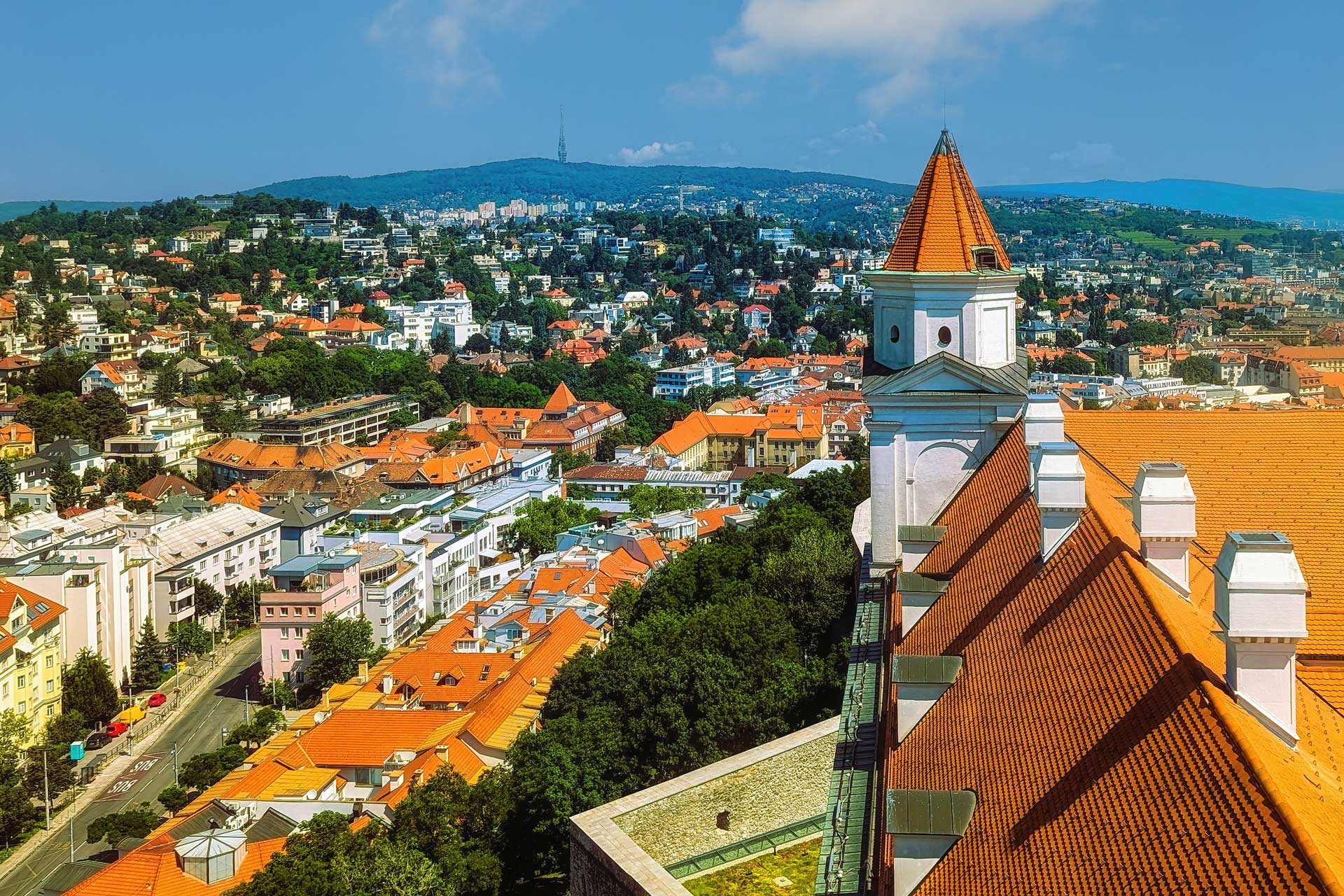
Permanent residence (PR) in Slovakia is a status granted to long-term residents, typically issued after 5 years of living in the country. It can only be obtained by holders of specific types of temporary residence permits, such as those for employment, family reunification, business, or research. Students, interns, seasonal workers, and individuals under temporary protection are not eligible. Spouses and children of Slovak citizens (and, in some cases, of permanent residents) can obtain permanent residence immediately, initially for 5 years and later for an unlimited period. In certain cases, authorities may also grant this status individually if it aligns with the interests of the state.
Relocating to Slovakia appeals to those seeking to live in a safe Central European country with a developed healthcare system, free higher education, a stable economy, and membership in the EU and the Schengen Area. The first step is to identify a legal basis for immigration in accordance with Act No. 404/2011 Coll. on the Residence of Foreigners (O pobyte cudzincov). You may move through employment, starting a business, enrolling in a university, or family reunification. After that, a residence permit and visa (if required) are obtained through a consulate. The residence permit typically needs to be renewed over a period of 5 years, after which you can apply for permanent residence.
Immigration to Slovakia is quite popular due to the following factors:
The European Union also offers simplified citizenship programs through repatriation. Under these programs, a passport can be obtained in about one year, without the stages of visa, temporary residence–permanent residence, integration requirements, or financial checks. You can schedule a free consultation with legal experts to find out which option is most suitable for you.
To move to Slovakia for permanent residence, in most cases you must first obtain a temporary residence permit (with some exceptions, such as family reunification, though not always). It is advisable to choose residence permits that lead to permanent resident status from the outset. Below are the most common immigration pathways:
The right to reside in Slovakia is granted upon signing an employment contract with a local company. By law, authorities must first offer the vacancy on the domestic labor market, including to EU citizens. Foreign nationals are hired only afterward, and for this purpose, a combined residence and work permit must be obtained.
A residence permit is issued for up to 5 years, depending on the duration of the employment contract. Seasonal workers, posted employees, and domestic helpers receive short-term residence permits without the possibility of transitioning to permanent residence.
It is possible to relocate to Slovakia as a self-employed individual. The main requirement is a business plan that is considered beneficial for the state, as well as sufficient financial resources of at least €5,680 (equivalent to twenty times the subsistence minimum in 2026). A residence permit can also be obtained by registering a company (legal entity) of any form of ownership. In this case, the applicant must have funds equal to one hundred times the subsistence minimum in a bank account, approximately €28,413.
Since 2025, conditions for entrepreneurs have become stricter: only 700 residence permits are issued annually. Applications must be submitted before entering the country. The residence permit is valid for up to 3 years and can be extended if the grounds for residence remain valid and income is maintained at the required level.
Foreign nationals with higher education (or relevant professional experience in certain fields) can apply for the EU Blue Card in Slovakia. This work permit is issued upon signing an employment contract for at least 6 months with a salary of at least 120% of the national average, approximately €2,000 per month. It is valid for up to 5 years and provides more benefits than a standard residence permit, such as easier family relocation.
Slovakia is a popular destination for students due to its free education programs. In addition to language proficiency (depending on the language of instruction), applicants must provide proof of university enrollment and demonstrate sufficient financial means (generally at least €284.13 per month for all residence permit types). A student residence permit is valid for up to 6 years and counts toward naturalization at 50%, meaning it will take longer to qualify for permanent residence and citizenship. Students are generally not allowed to work full-time alongside their studies but may engage in self-employment activities.
This immigration pathway is suitable for close relatives of holders of Slovak temporary residence permits (certain categories), permanent residence, or citizenship. To qualify for reunification, it is usually necessary to have accommodation in the country and sufficient financial resources, which may be the responsibility of the host party.
Spouses of Slovak citizens can obtain permanent residence immediately, initially for 5 years, and after 4 years, for an unlimited period. The same right applies to minor, unmarried children of Slovak citizens or permanent residents. As an exception, residence may also be granted to a child over 18 if they are financially dependent on the sponsor.
The law allows foreign researchers to relocate to Slovakia if they are invited by an accredited scientific institution to carry out research, development, or similar projects. Typically, the residence permit is issued for up to 2 years but can be extended if the project is ongoing.
A less common immigration pathway is applying for asylum in Slovakia. This option is mainly used by individuals from conflict regions in the Middle East. Refugees are not granted permanent residence, but they may remain in the country until they qualify for citizenship. Approval rates are relatively low: according to OECD data, about half of approximately 100 applicants were denied protection in the most recent reporting year.
Step by step, immigration to Slovakia for permanent residence looks as follows:
By obtaining a passport from another EU country through simplified procedures, it is possible to avoid long-term residence requirements in Slovakia and gain the right to live there permanently without additional conditions. Upon arrival, you can legally work, conduct business internationally, enroll children in schools and kindergartens, and arrange residence permits for your spouse.
Anyone wishing to immigrate to Slovakia must meet six basic requirements:
These basic requirements are supplemented by additional conditions depending on the reason for relocation. Students must demonstrate proficiency in the language of instruction, entrepreneurs must have the required level of capital set by law, and applicants for the EU Blue Card must prove their professional qualifications.
At the stage of applying for permanent residence, the applicant’s Slovak language proficiency is also assessed. The minimum required level is A2 according to the Common European Framework of Reference for Languages (CEFR). The exam is taken at one of approximately 20 accredited schools across the country. Those who have completed education in Slovak are exempt from this requirement.
As a standard, the following documents are required to obtain Slovak temporary residence and PR (in sequence):
Additionally, the application file must include proof of the purpose of immigration, for example, an employment contract, a university admission letter, or business registration documents. Foreign certificates and documents must be officially translated into Slovak and notarized. In some cases, an apostille or super-legalization is also required. Authorities generally require recently issued documents, no older than 90 days at the time of submission to the consulate or relevant department (this does not apply to passports).
Immigration expenses include the cost of obtaining a residence permit, health insurance, logistics, and transportation of personal belongings. Government fees for different types of residence permits are as follows:
| Purpose of relocation | Permit cost (€) |
| Business registration (self-employed or company) | 350 |
| Employment | 50–250 |
| Research activities | 140 |
| Family reunification | 200 |
| Highly qualified employment | 250 |
| University studies | — |
A D visa (if required) costs €15. The residence permit card itself costs between €10 and €39, depending on processing time (from 2 days to 1 month). Health insurance typically costs €30–60 per month, depending on the coverage. Expenses for translation, notarization, and legal assistance are calculated individually.
Citizens of any EU country have the right to live in Slovakia for an unlimited period together with their family. In some of these countries, it is possible to obtain a second citizenship through an accelerated process without prior residence. Leave a request for a consultation — our specialist will provide detailed information about the available options and help you choose the best solution for you and your family.
According to an independent international statistical service, Slovakia is recognized as a country with a very high standard of living, with an overall score of 161.24. Living costs are relatively moderate compared to Western Europe, there are sufficient job opportunities, relatively low taxes, and high-quality healthcare and education.
On average, renting a one-bedroom apartment in Slovakia costs €500–650, while a three-bedroom apartment costs €800–1,000. Prices are higher in major cities such as the capital, where a three-room apartment can reach up to €1,500. In smaller towns, rental prices start at €350–400 for apartments of up to 40–45 m².
The average monthly expenses for one person (around €740) include:
When relocating, it is important to have sufficient savings to cover rent, deposits, and realtor services (if applicable). A recommended minimum is from €3,000 (for stays of one year or more, this amount is typically required in the bank account for residence permit purposes).
The unemployment rate in Slovakia is 5.6%, slightly below the EU average. The official minimum wage is €915 and is usually indexed annually. In most sectors (administration, industry, banking, trade, agriculture), the average salary ranges from €1,500 to €2,000 per month.
Employment rights for immigrants depend on the type of residence permit. Work and business permits are issued for specific purposes, employment with a designated employer or implementation of a business plan. Under family reunification, access to the labor market is unrestricted, while students are generally allowed only limited self-employment that does not interfere with their studies. With permanent residence, employment restrictions are lifted.
Running a business in Slovakia is possible with an appropriate residence permit, or as a student, family member of residents, or permanent resident. For self-employed individuals, there is no minimum capital requirement. A limited liability company (LLC) can be established with capital starting from €5,000, while a joint-stock company requires at least €25,000. The tax system is considered optimized: personal income tax ranges from 19% to 25% (progressive scale), and corporate tax is 22%. VAT is set at 20%, with a reduced rate of 10%. Promising business sectors include automotive manufacturing, electronics, IT and high technologies, logistics, construction, tourism, and services.
Holders of passports from any EU country can conduct business freely in Slovakia and across the entire European single market. As an EU citizen, you can also benefit from preferential programs and access funding and grants from initiatives such as Horizon Europe or InvestEU.
Education at all levels (primary, secondary, and higher) is available free of charge, including for residents, provided it is conducted in Slovak. Universities also offer programs in English, which typically cost between €1,500 and €5,000 per year, depending on the field of study.
In large cities such as Bratislava, public kindergartens often have waiting lists. Enrolling a child in a private preschool costs approximately €460 per month, while international schools can cost around €11,200 per year.
Healthcare in Slovakia is based on a mandatory health insurance system. Both public providers (VšZP – General Health Insurance Company) and private insurers (such as Dôvera) are available. The quality of services is considered adequate: clinics are well-equipped, and doctors follow modern European standards. Common drawbacks include long waiting times for specialist appointments and queues for planned surgeries and hospitalizations.
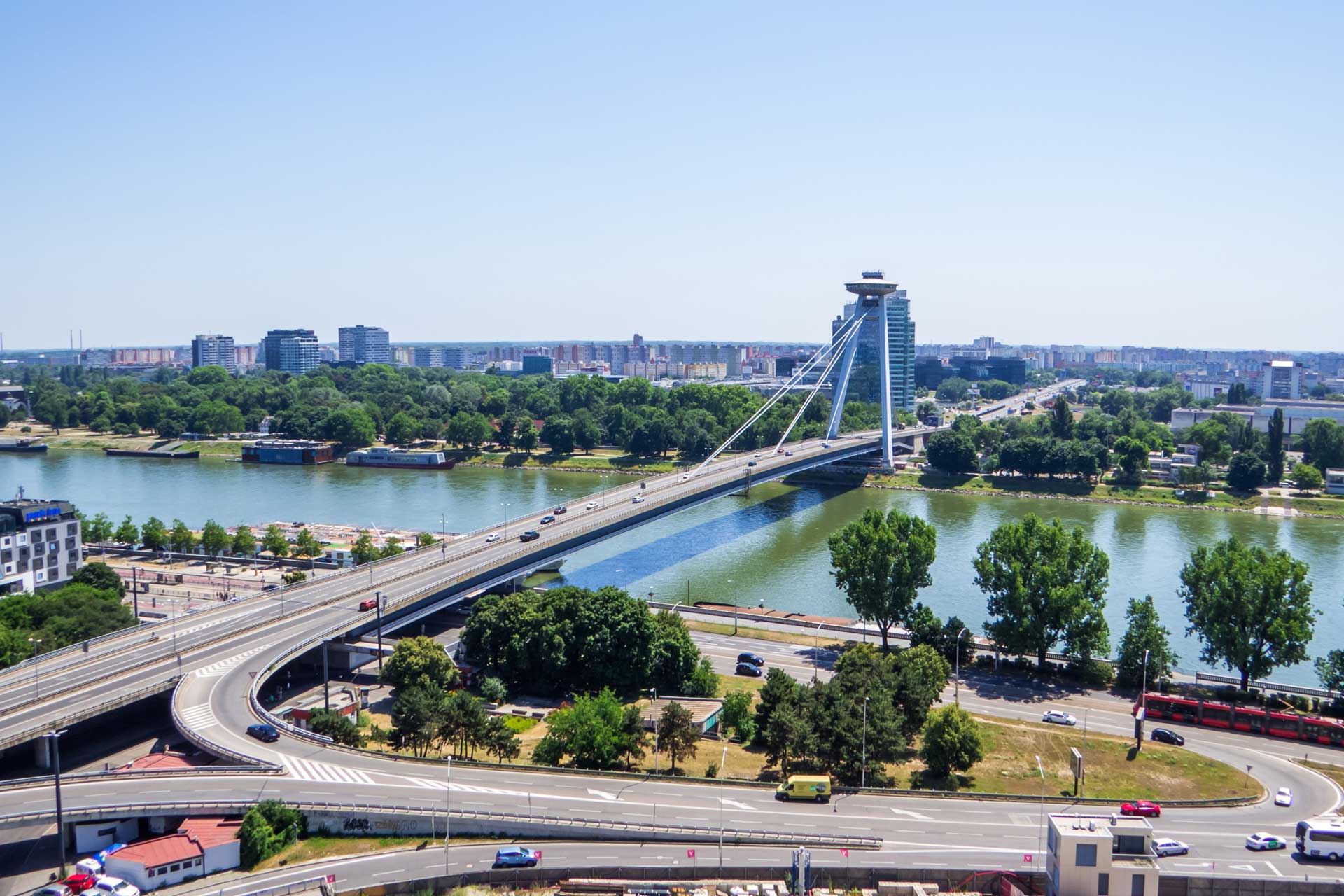
The most popular destination for immigrants is Bratislava. It offers the highest salaries, the largest number of job opportunities, and a strong presence of international companies. However, it also has higher rental costs and stronger job market competition.
More affordable alternatives include Košice, Prešov, and Žilina, where it is still relatively easy to find employment, although salaries are generally lower than in Bratislava. For those seeking a quieter lifestyle with lower housing costs, Nitra is a good option, especially for remote workers. Another notable location is Trnava often referred to as the “pearl” of Slovakia a city near the slopes of the Little Carpathians, known for its picturesque landscapes.
In their reviews, foreigners who have moved to Slovakia praise the pleasant climate, the sense of safety even in the capital, and the relaxed pace of life with a strong work–life balance. Many are satisfied with the ratio of salaries to living costs, although some complain that wages are low compared to other EU countries. Younger people sometimes mention a lack of vibrant entertainment options, although this is subjective.
The main drawback for immigrants is the difficulty of securing permanent residence. Not everyone manages to renew their residence permit for 5 years or more: business-based residence requires meeting a certain income threshold, while employment contracts are often shorter in duration. State authorities are also known for bureaucracy, applications may take longer than the official deadlines, and officials frequently request additional documents.
To relocate to Slovakia more easily and ensure the right to remain there permanently, one option is to obtain a passport from another EU country within 12 months. Citizens of the European Union enjoy full freedom of movement across the bloc. With a passport from, for example, Romania, Bulgaria, or Slovenia, it is possible to live in Slovakia indefinitely without having to prove grounds for relocation or meet the standard residence requirements. Access to the labor market, business activity, healthcare, and social services is unrestricted. Immigration is also possible for the whole family, including spouses and children.
International immigration lawyers can review your case, discuss your goals and expectations, conduct an in-depth analysis of your documents, and identify the most suitable program for obtaining a second passport in the European Union. Leave a request through this form now, consultation is free.
Permanent residence in Slovakia is a long-term status that allows you to live in the country on an ongoing basis, access various social and administrative services, and handle everyday, family, and business matters more freely.
A temporary residence permit is issued for a limited period and must be renewed, while permanent residence provides a more stable and long-term status. PR is typically the next step after temporary residence, provided there are legal grounds.
PR allows you to live in Slovakia permanently, simplifies family reunification, access to education, healthcare, banking, and overall integration. Depending on the case, it can also be a step toward citizenship.
Eligibility depends on the legal basis: long-term residence, family reunification, marriage, Slovak origin, special merits, or other grounds предусмотренные законом. Each case is assessed individually.
Yes, PR holders can leave and re-enter the country, but it is important to comply with rules to avoid losing the status due to prolonged absence.
Yes, rejection is possible due to incomplete documentation, errors in the application, insufficient proof of eligibility, or other legal issues. Proper preparation is essential.
PR can be a step toward citizenship, but eligibility for naturalization depends on residence duration, legal requirements, and individual circumstances.
Professional support helps avoid mistakes, choose the right legal basis, prepare documents correctly, and complete the process more efficiently.

Ability to do business and work in the EU without restrictions
Study in European universities with the civil rights
Visa-free travel to more than 160 countries around the world
Full access to the freedoms and guarantees established for EU citizens